 When the daylight shrinks and winter seems to start to dragging on and on, many people notice a dramatic shift in mood, energy, and sleep patterns. Clinically, this shift can become seasonal affective disorder (SAD), a recognized pattern of depressive symptoms tied to changes in light exposure. One of the most evidence-backed ways to address this is light box therapy. People who actively replace missing natural light with structured bright light exposure report feeling better, with measurable changes in mood and activity patterns.
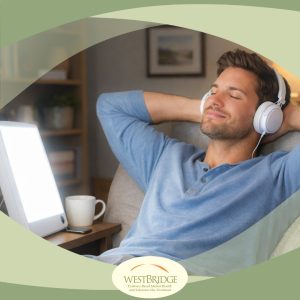
Light box therapy mimics outdoor sunlight, delivering much brighter light than typical indoor lamps. Devices commonly used for SAD emit about 10,000 lux, which is roughly 20 times the brightness of standard indoor lighting. Using it for about 20 to 30 minutes first thing in the morning can help “reset” your body’s internal clock, which influences your sleep and mood. This helps align your biological systems closer to spring, summer and fall day-night cycles, especially when mornings are dark.
Morning bright light exposure helps your sleep-wake cycle, reducing fatigue and improving alertness. Exposure to bright light appears to alter serotonin regulation in the brain, which can improve mood and energy. Multiple controlled trials and clinical guidelines identify light box therapy as an effective treatment for SAD, often recommended as a first-line option before or alongside medication. People using these devices regularly report fewer depressive symptoms and improved overall functioning compared with no treatment. Citation: Mayo Clinic
Compared with antidepressants, light therapy often works faster with fewer side effects. Some research reports improvements within days of regular morning sessions. Evidence shows benefits beyond winter depression: improvements in nonseasonal depression symptoms, sleep quality, and daytime fatigue have been documented in controlled trials. Citation: Harvard Health
Light box therapy is a practical, non-pharmacological approach you can integrate into your day to manage seasonal mood changes and support your circadian rhythm. People who commit to a routine often find tangible improvements in mood, energy, and sleep, especially when combined with outdoor daylight exposure and broader wellness habits.
Here are some tips for using a light box:
- Using within the first hour of waking is most consistently associated with benefits.
- Following the manufacturer guidelines, many guidelines aim for a distance of about 16–24 inches from your face without staring directly at the light.
- Daily use throughout the winter months, or whenever you notice symptoms, is key to sustained effects.
- Sitting with your light box during breakfast or while planning your day helps make it part of your morning routine.
- Noticeable improvement may take a few days to a couple of weeks, so don’t expect miracles overnight.
- Light therapy boxes designed for mood support typically minimize UV exposure for safety, so make sure the labeling clearly states it filters UV.
- Bright light exposure may not be for you or may need some customization to the light box therapy schedule if you have other health conditions like bipolar disorder or easily get eyestrain.
A good example of how light box therapy helped a family member we know. Every January, our family member noticed she was dragging herself through mornings and felt like she just couldn’t “wake up”. She went to bed at a decent hour, but waking up felt like trying to walk through quicksand. She stopped going for her afternoon walks, and she said she was canceling plans with friends and family. After her primary care doctor suggested light box therapy, she added the light box to her kitchen counter and used it while drinking her morning coffee every day. Within a week, she told us she was waking up more easily and feeling less tired. Within two weeks, she said her energy during the workday was back almost to normal and she had started walking again after lunch, plus she said it made a difference when following through with plans. It didn’t “fix” winter, but it made it manageable.
For more information about our programs, please visit https://www.westbridge.org/programs/.
WestBridge provides evidence-based treatment for adults and their families experiencing mental illness with or without substance use. Contact admissions for inquiries and questions. WestBridge offers light therapy to current participants in programming based on clinical assessment and appropriateness.